Updated: July 2026
The Rising Demand for Phinisi Yachts in 2027
The demand for phinisi yachts in 2027 is surging due to their unique blend of traditional craftsmanship and modern luxury, appealing to eco-conscious consumers and adventure-seekers alike.
Phinisi Yacht Demand 2027: A New Era for Luxury Sailing
In the ever-evolving world of luxury yachts, the phinisi yacht has emerged as a symbol of both cultural heritage and modern luxury. As 2027 unfolds, the demand for these majestic vessels is experiencing a notable increase. This trend is largely driven by a growing appreciation for sustainable tourism and the unique experiences that phinisi yachts offer.
Phinisi yachts originate from the Indonesian archipelago, specifically the Sulawesi region, where they have been crafted for centuries. Historically, these vessels were used by the Bugis and Makassarese people for trading and transporting goods across the seas. Today, they have been reimagined as luxury yachts, maintaining their traditional essence while incorporating modern amenities.
With the increasing desire to explore the world in a manner that respects local cultures and the environment, phinisi yachts offer an intriguing option. Their design allows them to navigate the intricate waterways of Indonesia, providing access to remote islands and secluded beaches that are often inaccessible to larger, conventional yachts.
Global Yacht Trends Influencing Phinisi Popularity
The global yacht industry is witnessing a shift towards vessels that offer more than just opulence. There is an increasing focus on eco-friendly designs and authentic travel experiences. Phinisi yachts, with their traditional Indonesian design and sustainable construction materials, are perfectly positioned to meet this demand. Their ability to offer bespoke experiences in some of the world’s most stunning locations makes them highly desirable among discerning travelers.
According to industry reports, the luxury yacht market is expected to grow by approximately 5% annually, with a significant portion of this growth driven by eco-conscious consumers. As the carbon footprint of travel becomes a more pressing concern, yachts that utilise sustainable practices, such as those constructed from locally sourced teak wood, are gaining favour. Additionally, the use of solar panels and efficient engines in phinisi yachts further reduces their environmental impact.
Furthermore, the appeal of phinisi yachts is enhanced by their ability to provide an immersive cultural experience. As global travellers seek to connect with the destinations they visit, the cultural narrative woven into the phinisi experience offers a compelling draw. This interest is not limited to individual travellers; luxury tour operators are increasingly incorporating phinisi yacht charters into their itineraries to cater to clients seeking unique and sustainable travel experiences.
Why is There an Increasing Demand for Phinisi Yachts in 2027?
The rising demand for phinisi yachts in 2027 can be attributed to several factors: a growing interest in sustainable travel, the allure of unique cultural experiences, and a preference for smaller, personalized voyages. As travelers seek out more meaningful and environmentally conscious ways to explore the world, phinisi yachts provide an ideal solution.
Sustainable travel is no longer a niche market. According to a 2025 survey by the International Ecotourism Society, 73% of global travellers expressed a preference for eco-friendly travel options, a figure expected to rise in the coming years. Phinisi yachts, by virtue of their sustainable construction and operation, align perfectly with this growing trend.
Moreover, the cultural experiences offered by phinisi yachts are unmatched. Guests can engage with local communities, partake in traditional Indonesian ceremonies, and explore regions untouched by mass tourism. These experiences provide a deeper understanding of the region’s history and culture, something that is increasingly sought after by modern travellers.
Additionally, the bespoke nature of phinisi voyages, with itineraries tailored to the preferences of the guests, enhances their appeal. Unlike larger cruise ships, which follow fixed routes and schedules, phinisi yachts offer flexibility and privacy, allowing guests to explore at their own pace.
Key Features Driving Phinisi Yacht Demand
- Sustainability: Crafted from locally sourced, renewable materials, phinisi yachts embody eco-friendly principles. The use of teak wood, known for its durability and resistance to weather, ensures longevity and a reduced need for repairs and replacements.
- Cultural Heritage: These yachts are a celebration of Indonesia’s rich maritime traditions, offering a connection to the past. The design, featuring two towering masts and a distinctive hull, is a to the craftsmanship of the Bugis shipbuilders.
- Luxurious Comfort: Despite their traditional exterior, phinisi yachts offer modern comforts and amenities. Interiors are often equipped with state-of-the-art navigation systems, luxurious cabins, and gourmet kitchens, providing a blend of old-world charm and contemporary luxury.
- Exclusive Experiences: With their ability to navigate remote areas, phinisi yachts provide access to unspoiled natural beauty. Guests can snorkel in pristine coral reefs, explore hidden coves, and enjoy the tranquillity of deserted beaches.
Phinisi Yachts vs. Alternatives
When considering the advantages of phinisi yachts over other luxury yachts, several factors stand out. Unlike conventional yachts, phinisi yachts offer a unique blend of tradition and innovation. They not only cater to the luxury market but also align with the growing trend towards more sustainable and culturally immersive travel experiences. This makes them a superior choice for those seeking a distinctive journey at sea.
Conventional luxury yachts often focus on opulence and speed, while phinisi yachts prioritize a more holistic experience that includes cultural immersion and environmental sustainability. This distinction makes phinisi yachts uniquely appealing to a market segment that values authenticity and responsible travel.
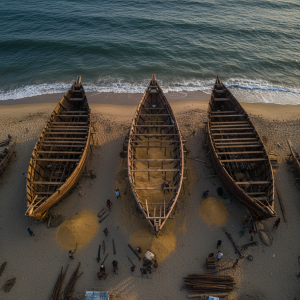
Furthermore, the construction process of phinisi yachts is an artisanal craft, often taking several months to complete, thereby supporting local economies and preserving traditional skills. This commitment to cultural preservation adds another layer of appeal for travellers looking to make a positive impact through their travel choices.
2027 Note: A Year of Significance for Phinisi Yachts
As we look to 2027, it is clear that phinisi yachts are carving out a significant niche within the luxury yacht market. The increased demand is a reflection of broader trends in the travel industry, where sustainability and unique experiences are becoming paramount. For those in the market for a yacht that combines tradition with modern luxury, phinisi yachts represent an ideal choice.
Industry forecasts suggest that the demand for phinisi charters will continue to rise, driven by a combination of word-of-mouth recommendations and increased visibility in travel publications. This year, several high-profile travel and lifestyle magazines have featured phinisi yachts, highlighting their unique offerings and the unforgettable experiences they provide.
FAQ
What makes phinisi yachts sustainable?
Phinisi yachts are sustainable because they use locally sourced, renewable materials in their construction and are designed to minimize environmental impact. The use of solar panels and efficient engines further reduces their carbon footprint, aligning with the principles of eco-friendly travel.
How do phinisi yachts offer unique experiences?
Phinisi yachts provide unique experiences by allowing access to remote and pristine locations, often unreachable by larger vessels, offering a blend of adventure and luxury. Guests can explore hidden bays, interact with local communities, and immerse themselves in the natural beauty of the Indonesian archipelago.
What is the cultural significance of phinisi yachts?
Phinisi yachts hold cultural significance as they are deeply rooted in Indonesian maritime history, representing a fusion of traditional craftsmanship and modern sailing innovation. They reflect the seafaring legacy of the Bugis and Makassarese people, who have been building and sailing these vessels for centuries.