Updated: July 2026
Phinisi Factory: Master Builders of Custom Luxury Yachts in Sulawesi
Phinisi Factory is a curated Indonesia luxury tourism experience offered by Phinisi Factory: handpicked routes, vetted operators, transparent pricing, and 24/7 concierge support across Indonesia.
- What makes Phinisi Factory a premium experience.
- How Phinisi Factory curates exclusive access and concierge logistics.
- Routes, seasons, and pricing transparency — no hidden fees.
Phinisi Factory: Master Builders of Custom Luxury Yachts in Sulawesi
On the sun-drenched shores of South Sulawesi, a seafaring legacy centuries in the making continues. Here, in villages like Tana Beru, approximately 200 kilometers from Makassar, the world’s finest wooden vessels are born from the exceptional skill of Konjo master builders. The Phinisi Factory is your trusted partner in this tradition, offering a managed pathway to commissioning a bespoke luxury phinisi yacht—a vessel that is not merely an asset, but a formidable investment in a marine tourism sector that has seen double-digit growth in recent years.
Our Heritage: The Konjo Master Builders of Tana Beru
The art of phinisi building is the exclusive domain of the Konjo people, a coastal community centred around the villages of Tana Beru, Ara, and Lemo-Lemo in Bulukumba, South Sulawesi. This is not a trade learned from blueprints, but a sacred knowledge passed down through generations, from father to son. In 2017, UNESCO formally recognised the ‘Art of Boatbuilding in South Sulawesi’ as a Masterpiece of the Intangible Cultural Heritage of Humanity, cementing its global significance.
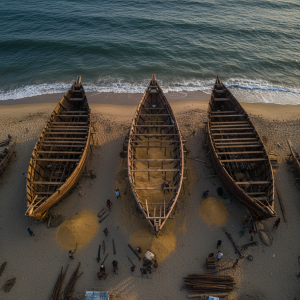
When you walk the boatyards of Bira, the air is thick with the scent of freshly cut Ulin ironwood—a timber so dense at 1.04 g/cm³ that it sinks in water. The rhythmic percussion is not of machinery, but of hand-wielded adzes shaping massive timbers with astonishing precision. A team of up to 20 builders, led by the punggawa (master builder), works from memory, their minds holding the vessel’s lines long before the first plank is laid. The Phinisi Factory honours this heritage by partnering with the most respected punggawa, ensuring this ancient wisdom is the soul of your modern luxury yacht.
The Phinisi Building Process: From Keel to Launch
Commissioning a phinisi is a journey of 18 to 24 months that blends ancient ritual with modern project management. We provide a transparent framework for a process unchanged in its essence for centuries, including a detailed 150-point quality assurance checklist for key milestones. Our role at the Phinisi Factory is to serve as your on-the-ground project lead, ensuring quality, communication, and adherence to your specifications at every stage.
Stage 1: Keel Laying Ceremony (Lassakang)
The journey begins with the selection of the finest timbers—where wood costs can account for up to 40% of the hull budget—and the sacred Lassakang ceremony. The keel, a massive single beam that can exceed 25 meters in length, is laid facing northeast, and offerings are made to secure blessings for a safe and successful build. This foundational step sets the spiritual and physical tone for the entire project.
Stage 2: Frame and Hull Construction
Working entirely by eye, the master builders erect the frames and begin fastening the hull planks, each one typically 5-7 centimeters thick. This is the most dramatic phase, as the phinisi’s iconic shape emerges, fastened not with nails but with thousands of precisely fitted wooden dowels. We provide our clients with weekly photographic and video updates, documenting the meticulous joinery and the sheer artistry of the hull construction.
Stage 3: Decking, Superstructure, and Interior Fit-Out
Once the hull is complete, the focus shifts to the decks, superstructure, and up to 8 en-suite cabins. This is where your custom design comes to life. Our team works in tandem with the Konjo builders and specialists to install twin 500-hp marine engines, plumbing, electrical systems, and the fine details—from bespoke teak furniture to state-of-the-art Furuno navigation equipment—that define a luxury vessel.
Stage 4: Launching Ceremony (Appasili)
The final stage is the spectacular launch of the vessel, which can weigh upwards of 200 tons. The Appasili ceremony is a community-wide event, a ritual involving the sacrifice of a goat to cleanse the vessel of any negative influences. With the help of over 100 villagers, the boat is moved over traditional wooden rollers into the water, communal effort and engineering prowess, ready to begin its life on the ocean.
Our Portfolio: Showcase of Completed Phinisi Projects
Our work is our testament. The Phinisi Factory has overseen the construction of some of the most distinguished charter and private phinisi yachts operating in Indonesian waters. Each project is a unique collaboration between the owner’s vision and the builders’ ancestral skill.
Project: The ‘Nusantara Explorer’
A 45-metre luxury charter vessel designed for dive expeditions in Raja Ampat and Komodo. Its robust ironwood hull is paired with elegant teak interiors, accommodating 14 guests in seven en-suite cabins. The design prioritises spacious dive decks, a dedicated camera room, and expansive al fresco dining areas.
[Image Gallery: Photos of Nusantara Explorer at sea, interior cabins, sundeck, dive setup]
- Length Overall: 45 metres
- Beam: 8.5 metres
- Guest Capacity: 14
- Engine: Yanmar Marine 8-cylinder
- Cruising Speed: 8-10 knots
Project: ‘Jiwa Laut’ (Soul of the Sea)
A 35-metre private family yacht commissioned for extended voyages through the archipelago. The owner requested a classic, heritage-focused design with modern comforts. ‘Jiwa Laut’ features a grand master suite, a library, and custom-carved interior panels by Jepara artisans, showcasing the pinnacle of Indonesian craftsmanship.
[Image Gallery: Photos of Jiwa Laut’s exterior profile, master suite, intricate wood carvings, galley]
- Length Overall: 35 metres
- Beam: 7.8 metres
- Guest Capacity: 8
- Engine: Mitsubishi Marine 6-cylinder
- Special Features: Solar power integration, advanced watermaker
Materials & Craftsmanship: The Unmatched Quality of Ironwood (Kayu Ulin) and Teak
The legendary resilience of a phinisi comes from the timber it is born from. We exclusively use Grade-A Sulawesi Ironwood (Kayu Ulin) for the keel and hull. This remarkable wood is one of the densest in the world, making it naturally impervious to rot and the destructive marine borer worm. Its immense strength provides the structural integrity required for a vessel designed to last for generations. We source our timber from certified, sustainable suppliers, ensuring responsible forestry practices.
For the superstructure, decking, and interiors, we use premium aged Teak (Kayu Jati). Prized for its beauty, high oil content, and stability in marine environments, teak provides a finish of timeless elegance. The combination of Ulin’s raw strength and Jati’s refined beauty is the hallmark of a superior quality phinisi. Our craftsmen do not simply assemble materials; they understand the soul of the wood, shaping it with techniques that respect its grain and character, resulting in a finish that is both durable and exquisite.
Why Build With Us?: Transparency, Quality, and Investment Value
Building a custom yacht in a remote part of the world presents unique challenges. The Phinisi Factory was established to bridge this gap, providing international clients with the professionalism, transparency, and quality assurance of a top-tier shipyard, while honouring the authenticity of the traditional build process. We are not brokers; we are your dedicated project managers on the ground in Bira.
Our process includes rigorous material vetting, independent marine surveyor reports at key build milestones, and a clear, legally binding contract structure that protects your investment. We provide detailed financial reporting and a secure payment schedule. A well-built, properly documented phinisi is a significant asset with a strong charter yield potential in Indonesia’s booming luxury tourism market. By building with us, you are not only commissioning a vessel of exceptional beauty but also making a sound financial investment managed to the highest editorial and operational standards.
Client Testimonials
“The Phinisi Factory team provided the transparency and project management we needed to invest with confidence from halfway around the world. The quality of the final vessel exceeded our expectations, and our charter operations have been profitable from day one. Their understanding of both the local culture and international business standards is invaluable.”
“We envisioned a family vessel that felt both authentic and luxurious. The Phinisi Factory guided us through every decision, from the hull design to the interior fabrics. They respected the traditional builders while ensuring our modern requirements were met perfectly. The entire process was a remarkable journey.”
Frequently Asked Questions
How much does it cost to build a custom phinisi?
The cost varies significantly based on size, complexity, and interior specifications. A high-quality, 30-35 metre luxury phinisi typically ranges from USD 800,000 to USD 1.5 million. A larger, more elaborate vessel of 40-50 metres can range from USD 1.5 million to over USD 3 million. We provide detailed, itemised quotations after an initial design consultation to ensure full cost transparency before any commitment is made.
What is the typical construction timeline?
The traditional building process is meticulous and cannot be rushed. For a 30-40 metre phinisi, a realistic timeline from keel-laying to sea trials is approximately 18 to 24 months. This includes timber sourcing, hull construction, engine installation, detailed interior finishing, and rigging. We develop a comprehensive project timeline at the outset and provide regular progress reports to keep you informed.
Can a foreigner legally own a phinisi yacht in Indonesia?
Yes. The most common and secure method is through the establishment of a foreign-owned company in Indonesia (a PT PMA). This legal entity owns the vessel, allowing for commercial charter operations and providing a clear, internationally recognised ownership structure. Our legal partners specialise in marine law and can manage this entire process on your behalf, ensuring full compliance with Indonesian regulations.
What materials are used besides Ironwood and Teak?
While Ulin (Ironwood) forms the hull and Teak is used for decks and interiors, other high-quality tropical hardwoods are also employed. Bitti (Vitex cofassus) is often used for framing due to its strength and flexibility. All materials used by the Phinisi Factory are sourced for their proven durability in a tropical marine environment, ensuring the longevity of your vessel.
How are the engines and technical systems installed?
We integrate modern marine engineering with traditional shipbuilding. We work with certified marine engineers and technicians to install engines (such as Yanmar, Mitsubishi, or Caterpillar), generators, navigation systems, and all electrical and plumbing infrastructure to international safety standards. This ensures your phinisi is not only beautiful but also reliable, safe, and efficient to operate.
Can I visit the shipyard during construction?
Absolutely. We encourage our clients to visit Bira to witness the construction firsthand and meet the master builders. It is a unique and rewarding experience. We can facilitate all local arrangements for your visit, including accommodation and transport, making your trip seamless and memorable. For clients unable to travel frequently, we provide extensive digital documentation.
What is the investment potential of a charter phinisi?
The demand for luxury phinisi charters in destinations like Komodo, Raja Ampat, and the Banda Islands consistently outstrips supply. A well-managed, high-quality phinisi can generate excellent annual returns and significant capital appreciation. We can provide prospective owners with realistic financial projections based on current market data and operational costs, helping you build a robust business case for your investment.
How do you ensure quality control?
Our on-site project management is the core of our quality control. We supplement the builders’ traditional expertise with modern checks and balances. This includes engaging an independent marine surveyor to inspect and report on the build at critical milestones, from the keel to the final sea trial. This third-party verification provides you with objective assurance of the vessel’s structural integrity and build quality.
What kind of customisation is possible?
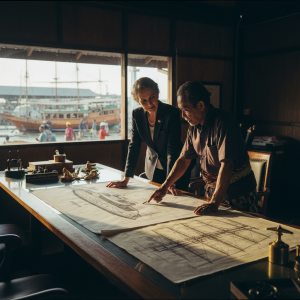
Nearly every aspect of your phinisi can be customised. Beyond the overall size and layout of cabins, you can specify the interior design style, wood finishes, galley equipment, dive facilities, entertainment systems, and sail plan. The Phinisi Factory process is designed to be a collaborative one, where we translate your specific lifestyle and operational needs into the final design of the yacht.
What about post-launch support and maintenance?
Our relationship does not end at the launch. We can assist in sourcing an experienced crew, developing a comprehensive maintenance schedule, and managing annual dry-docking procedures. The traditional boatyards of Bira are the best place for ongoing maintenance, and we can oversee this work to ensure your vessel is kept in pristine condition for years to come.
Begin the Conversation
To discuss your vision for a custom-built phinisi yacht and receive a preliminary consultation, please contact our business development team. We are prepared to provide a detailed overview of the process, costs, and opportunities inherent in creating a modern masterpiece rooted in ancient tradition.
Email our team directly at [email protected] or connect with us via WhatsApp at +62 811-3823-875 for a confidential discussion.