Updated: July 2026
How Much Does It Cost to Build a Custom Phinisi in 2024? A Detailed Breakdown
Phinisi Factory is a curated Indonesia luxury tourism experience offered by Phinisi Factory: handpicked routes, vetted operators, transparent pricing, and 24/7 concierge support across Indonesia.
- What makes Phinisi Factory a premium experience.
- How Phinisi Factory curates exclusive access and concierge logistics.
- Routes, seasons, and pricing transparency — no hidden fees.
How Much Does It Cost to Build a Custom Phinisi in 2024? A Detailed Breakdown
Commissioning a custom-built phinisi, a project that can take 18-24 months and cost between $800,000 and $3,000,000, is an investment in maritime heritage. From the shores of Bira in South Sulawesi, the question we hear most often is not about tradition, but finance. The cost is a complex equation, influenced by size, materials, and ambition. A professional phinisi factory understands that providing a simple number is impossible; instead, we offer a transparent look at the factors that shape the final price of your vessel. Phinisi heritage (UNESCO ICH)
The Short Answer: A Price Range
While every phinisi is a bespoke creation, prospective owners need a starting point. In 2024, a newly built, charter-ready luxury phinisi typically falls within a broad range of €600,000 to over €3 million. This spectrum reflects the vast differences in scale, complexity, and specification. A 25-metre vessel with five guest cabins built for the robust Komodo charter market will have a fundamentally different cost structure than a 45-metre private yacht with superyacht-grade systems and interiors. South Sulawesi shipbuilding
To add clarity, we can segment the market into three general tiers. The entry-level luxury charter phinisi might range from €600,000 to €1.2 million. A mid-range, highly customised vessel with premium systems and finishes will typically cost between €1.2 million and €2 million. For builds exceeding 40 metres with fully bespoke interiors, advanced engineering, and the highest grade of materials, budgets begin at €2 million and can ascend significantly from there, depending on the owner’s vision.
Key Cost Drivers: Hull, Materials, and Labour
The foundation of any phinisi is its hull, which can account for 30-40% of the total build cost. Its price is a function of three core elements: size, timber, and the hands that shape it. The overall length (LOA) is the primary determinant of the budget. As the length increases, the volume—and thus the material and labour required—grows exponentially. For instance, a 40-metre hull has roughly eight times the internal volume of a 20-metre hull, requiring substantially more than double the resources.
The choice of timber is the next critical decision. The hulls of the finest phinisis are constructed from either ironwood (kayu ulin) from Kalimantan, which can cost over $1,500 per cubic meter, or teak (kayu jati) from Sulawesi. With a density often exceeding 1.0 g/cm³, ironwood is legendarily durable but requires specialised handling. Teak is prized for its stability and beauty, especially for superstructures. At Phinisi Factory, we ensure all our timber is sourced from legal suppliers with SVLK certification, a government standard that guarantees quality and sustainability.
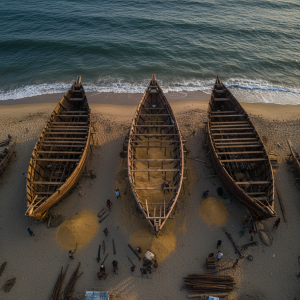
Finally, the cost incorporates the exceptional skill of the Konjo shipwrights of Bira and Tanah Beru. This is not simple labour; it is artistry passed down through generations, formally recognised by UNESCO as an Intangible Cultural Heritage in 2017. Their expertise in shaping the hull planks by eye and instinct is what gives a phinisi its soul. A professional shipyard invests in fair wages for these master craftsmen, some of whom have over 30 years of experience, ensuring the preservation of this unique tradition.
Interior Fit-Out and M&E Systems
While the hull gives a phinisi its form, the interior fit-out—which can account for over 40% of the total budget—gives it function and luxury. A simple interior with locally sourced materials is beautiful and functional. However, a client may specify custom-milled cabinetry, imported Italian marble for en-suite bathrooms that can cost over $200 per square meter, designer textiles, and sophisticated lighting systems. Each choice adds layers of complexity and cost.
Equally important are the Mechanical and Electrical (M&E) systems hidden behind the beautiful finishes. The engine room is the heart of the vessel, where a pair of new Yanmar or Caterpillar marine engines can cost upwards of $100,000. The specifications for generators, water makers capable of producing 5,000 liters per day, and sewage treatment plants must be carefully considered. The navigation and communication suite—from brands like Garmin or Furuno—is another significant investment, often exceeding $50,000 for a comprehensive package crucial for safety.
Beyond the Build: Naval Architecture and Project Management
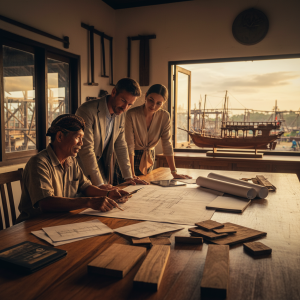
A common misconception is that building a phinisi is solely about carpentry. A modern vessel requires rigorous technical planning, with naval architecture and engineering fees often accounting for 5-7% of the total budget. This involves a professional naval architect producing over 100 pages of detailed designs, stability calculations, and system schematics. This crucial step ensures the vessel is not only beautiful but also seaworthy, comfortable, and compliant with standards set by classification societies like Biro Klasifikasi Indonesia (BKI).
Effective project management is the bridge between the design and the final product, typically adding 10-15% to the project cost. A dedicated project manager oversees scheduling, procurement, and quality control, often providing the client with detailed bi-weekly progress reports. This professional oversight differentiates a well-run phinisi factory from an informal arrangement. It provides a single point of contact and assurance that every stage is executed to the highest standard, mitigating the risk of costly delays which can exceed $20,000 per month in overheads.
Why a Professional Shipyard Matters
Building a phinisi directly with a local team on the beaches of Bulukumba can be a romantic notion, but for a significant investment, it carries substantial risks. A professional shipyard like Phinisi Factory provides a framework of accountability and quality assurance. We operate with transparent, legally binding contracts and milestone-based payment schedules, protecting the client’s investment throughout the build process.
Our role extends beyond construction. We vet and manage a network of international suppliers, handle complex import logistics, and ensure that all systems are installed and commissioned by certified technicians. This integrated approach guarantees that the final vessel is a cohesive whole, not just a collection of parts. It is an investment in peace of mind, ensuring the final asset delivered is not only Indonesian heritage but also a top-tier luxury yacht.
Begin the Conversation
Understanding the cost of a custom phinisi is the first step in a remarkable journey. If you are considering commissioning a vessel and require a detailed, preliminary budget based on your specific vision, we invite you to contact our business development team. We can provide the clarity and expertise needed to bring your project to life. Please direct serious enquiries to [email protected] or via WhatsApp at +62 811-3823-875.
Frequently Asked Questions
How long does it take to build a custom phinisi?
The construction timeline for a custom phinisi depends on its size and complexity. A 25 to 30-metre luxury charter vessel typically takes between 18 to 24 months from contract signing to delivery. Larger or more intricate projects, especially those over 40 metres with highly bespoke interiors and systems, can require 24 to 36 months. This timeline includes naval architecture, hull construction, interior fit-out, systems installation, and sea trials, ensuring a meticulous and unhurried process that prioritises quality at every stage.
What is the difference between an ironwood and a teak hull?
The primary difference lies in density and application. Ironwood (kayu ulin) is one of the densest woods in the world, making it exceptionally resistant to marine borers and rot. It is the traditional and superior choice for the submerged part of the hull. Teak (kayu jati) is prized for its high oil content, stability, and beautiful grain, making it ideal for the superstructure, decks, and interior joinery. A quality build often uses an ironwood hull for longevity and a teak superstructure for aesthetics and workability.
Can I visit the shipyard in Bira during construction?
Absolutely. We encourage client visits and consider them an essential part of the collaborative building process. Scheduled visits allow you to witness the progress firsthand, meet the Konjo craftsmen shaping your vessel, and make key decisions alongside our project management team. We believe in complete transparency and find that these visits deepen the owner’s connection to their unique phinisi. We can assist with local travel and accommodation arrangements from Makassar to our shipyard in Bulukumba.
Do you handle international classification and registration?
Yes, we have extensive experience in this area. We can build a phinisi to comply with the standards of various classification societies, such as RINA or BKI (Biro Klasifikasi Indonesia), depending on the client’s operational and insurance requirements. Our team also provides full assistance with the yacht registration process, whether it is under the Indonesian flag for commercial chartering or an international flag of the owner’s choosing for private use. This ensures a seamless handover process.
What kind of engines do you typically install?
The choice of engine is tailored to the vessel’s size, intended use, and the owner’s preference for performance and maintenance. For reliability and robust service networks across Indonesia, we frequently install marine diesel engines from reputable brands such as Yanmar, Mitsubishi, and Caterpillar. We conduct a thorough analysis of power requirements, fuel efficiency, and operational profile to recommend the most suitable propulsion system for your specific project, ensuring reliability whether cruising the remote islands of Raja Ampat or the Komodo National Park.
What is the typical payment schedule for a new build?
Our payment structure is based on clear, verifiable construction milestones. This approach protects both the client and the shipyard. A typical schedule involves an initial deposit upon contract signing, followed by instalment payments upon the completion of key stages such as keel laying, framing, hull planking completion, engine installation, and interior fit-out milestones. The final payment is due upon the successful completion of sea trials and the formal handover of the vessel. This transparent process ensures your investment is tied to tangible progress.
How is the quality of the timber ensured?
We place paramount importance on timber quality and legality. Our procurement process involves sourcing ironwood (ulin) and teak (jati) directly from reputable, government-certified suppliers in Kalimantan and Sulawesi. Each batch of timber is personally inspected by our master shipwrights for grain quality, proper seasoning, and the absence of defects before it is accepted at the shipyard. This meticulous vetting guarantees the structural integrity and longevity of the vessel, forming the very foundation of our build quality.
Can you assist with crew selection and training?
Yes, as part of our comprehensive service, we can assist in recruiting a professional Indonesian crew for your phinisi. We have a network of experienced captains, engineers, dive masters, and hospitality staff who are familiar with luxury charter operations in Indonesia. We can also facilitate specific training for the crew on the vessel’s new systems before handover, ensuring they are fully competent and ready for the first voyage, providing a smooth transition into operation for the owner.
What is the lifespan of a well-maintained ironwood phinisi?
The longevity of a traditionally built ironwood phinisi is remarkable. The inherent properties of kayu ulin, being incredibly dense and resistant to the harsh marine environment, mean that a well-maintained hull can last for 50 years or more. We have seen vessels built by the grandfathers of our current craftsmen still sailing today. Regular and proper maintenance, including annual haul-outs, attentive care of the systems, and upkeep of the finishes, is key to ensuring the vessel remains a valuable and seaworthy asset for decades.
Do you incorporate modern technology into a traditional build?
Yes, our philosophy is to merge timeless Konjo boat-building artistry with the best of modern marine technology. While the hull is crafted using centuries-old techniques, we integrate state-of-the-art systems for safety, comfort, and efficiency. This includes modern navigation and communication suites, efficient and quiet generators, advanced water makers, robust air-conditioning, and entertainment systems. This fusion creates a vessel with the soul of a traditional phinisi and the performance and amenities of a contemporary luxury yacht.